
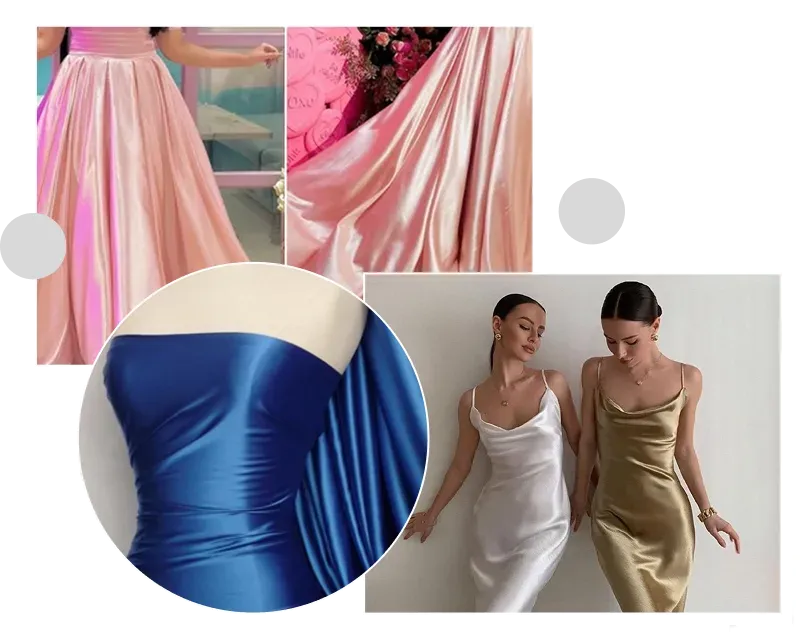
Original illustrations can bring personality and creativity to clothing, scarves, accessories, and other textile products. When these designs are transferred onto silk, the natural qualities of the material can add another layer of visual appeal. Its smooth surface, flowing structure, and refined appearance make silk suitable for artwork that deserves to remain visually distinctive. Using silk print fabric allows designers to transform original illustrations into wearable pieces while maintaining the character of the artwork.
Choosing Illustrations for Silk
Not every illustration needs to follow the same design approach when it is being prepared for textile printing. Detailed drawings, botanical artwork, abstract compositions, line illustrations, and hand-created patterns can all work well when adapted appropriately for fabric.
Before printing, the artwork should be checked for resolution, proportions, colours, and overall composition. Small details should remain clear at the intended printing size. Designers should also consider how the illustration will look when the silk is folded, draped, stitched, or worn.
Understanding the Character of Silk
Silk has a distinctive surface that can influence how printed artwork appears. Its smooth texture can provide an attractive base for detailed designs, while its natural drape allows the artwork to move with the wearer.
The fabric's lightweight quality can also make it suitable for garments such as scarves, flowing tops, dresses, and other fashion pieces. However, the final appearance depends on the specific type of silk selected and the printing process used.
Creating Wearable Artwork
Turning an illustration into wearable art involves more than simply placing an image onto fabric. Designers need to consider the shape and construction of the finished garment.
A large illustration might be positioned across the front of a dress, while smaller elements can be repeated across a scarf. A border design may work around the edge of a shawl, whereas a central motif could become the main feature of a square scarf. These choices can make the finished product feel intentionally designed rather than randomly printed.
Exploring Colour and Composition
Colour plays an important role when adapting artwork for silk. Designers can experiment with contrasting shades, subtle tones, gradients, and layered elements depending on the desired appearance.
The composition should also be considered in relation to the final product. A design that looks balanced on a flat digital screen may appear different once the fabric is folded or shaped into clothing. Creating a realistic layout before production can help preserve the intended visual effect.
Using Silk Print Fabric for Custom Projects
Custom printing gives artists and designers an opportunity to create textiles that are different from standard commercial patterns. A personal illustration, commissioned artwork, or original collection can be adapted to suit a specific fabric and product.
Silk print fabric can therefore be useful for limited-edition fashion pieces, artistic scarves, boutique collections, customised gifts, and creative textile projects. Designers can experiment with different placements and dimensions while developing a unique visual identity.
Planning Before Production
A successful printed silk project begins with preparation. Designers should confirm the fabric type, printing method, artwork specifications, colour expectations, dimensions, and finishing requirements before production starts.
A sample can also be valuable because it provides an opportunity to see how the artwork appears on the actual material. Adjustments can then be made before producing the final quantity.
Bringing Illustrations to Life
Silk provides an elegant foundation for transforming original artwork into something that can be worn and appreciated beyond a traditional canvas. With careful artwork preparation, thoughtful pattern placement, and suitable printing techniques, illustrations can become distinctive textile designs.
Using silk print fabric gives creative professionals a way to combine artistic expression with fashion, creating wearable pieces that retain the individuality of the original illustration while benefiting from the movement and character of silk.